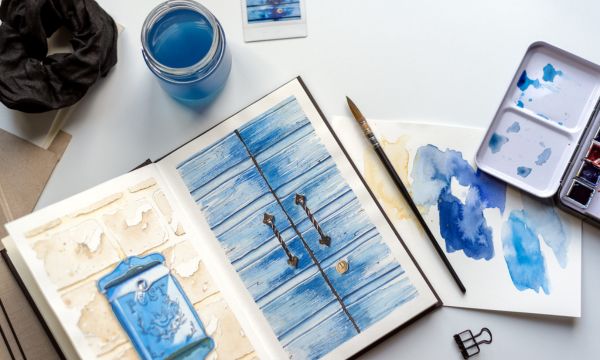
Taking care of painting storage is the first step to protecting your watercolors.
Anúncios
If you want to properly care for your painting storage, especially for watercolors, the key is to protect your artwork from light, humidity, and improper handling.
Watercolor is a delicate technique, and any small mistake can affect the colors, the paper, and even the structure of the artwork over time.
With the right care, you can keep your paintings preserved, beautiful, and with their original appearance for many years.
Why Watercolor Paintings are more Sensitive than Other Techniques
Watercolors are known for their lightness and transparency, but this beauty comes with greater fragility compared to other techniques.
Unlike oil or acrylic painting, watercolor does not create a thick protective layer, leaving the pigments more exposed to the environment.
In addition, the surface used, usually paper, is highly sensitive to factors such as humidity, light, and temperature changes, which requires even more attention in care.
That is why investing in proper painting storage is not just recommended, but essential to preserve the integrity of the artwork.
What can Damage a Watercolor Painting over Time
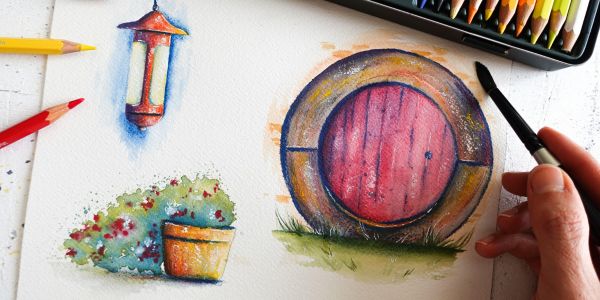
Over time, several factors can compromise the quality of a watercolor, often in a silent and gradual way.
Exposure to direct sunlight is one of the main enemies, as it can cause color fading and completely change the original appearance of the painting.
Another critical point is excess humidity, which can cause paper warping, stains, and even the appearance of mold.
In addition, dust accumulation, frequent contact with hands, and the use of inappropriate storage materials contribute to the deterioration of the artwork.
For this reason, understanding these risks is essential to ensure safe and effective painting storage.
How to Properly Store Watercolor Paintings Step by Step
To ensure good painting storage, some simple precautions help protect your watercolors in daily life and maintain the quality of the artwork for longer.
1. Choose an appropriate location
The first step is to define a suitable place, away from direct light and with a dry, ventilated environment and minimal temperature variation, avoiding damage to the paper and pigments.
2. Use appropriate protective materials
Next, use proper protective materials, such as acid-free papers, which help prevent stains, wear, and any interference with the painting over time.
3. Keep the artworks well positioned
Another important point is to keep the watercolors in a flat position or well supported, avoiding folds, excessive pressure, or deformation of the paper.
4. Stay organized
Finally, maintaining good organization in painting storage makes access easier, reduces risks, and ensures safer handling in everyday use.
Storage Methods: Folders, Boxes, or Frames?
There are different ways to handle painting storage, and the ideal choice depends on how you plan to use and preserve your watercolors over time.
| Method | Best for | Advantages | Attention Points |
|---|---|---|---|
| Portfolio folders | Daily use and organization | Easy to store multiple works, practical access, basic protection | Limited protection against light and humidity |
| Archival boxes | Long term storage | Protects against dust, light, and environmental changes | Requires proper internal organization |
| Frames with glass | Displaying artwork | Enhances presentation and visibility | Needs UV protection and proper sealing |
This comparison helps you choose the best option according to your needs, ensuring a more effective and secure preservation of your artwork.
Ideal Materials to Preserve Watercolors
The materials used in painting storage are essential to ensure durability of watercolors over time.
Using acid-free paper is crucial, as it prevents chemical reactions that may yellow or damage the artwork.
It is also recommended to use protective envelopes, dividers, and art storage boxes, which provide greater safety.
Avoiding low-quality plastics is another important point, as they can retain moisture and compromise the preservation of the painting.
Investing in good materials is a direct way to protect and value your artistic work.
How to Handle Watercolors without Causing Damage
Proper handling is an essential part of painting storage, as many damages happen exactly at this moment.
Whenever you need to touch the artwork, the ideal is to make sure your hands are clean and dry, avoiding the transfer of oils or dirt.
Holding the painting by the edges helps preserve the painted area and prevents unwanted marks.
In addition, it is important to avoid bending, pressing, or stacking artworks without proper protection, as this can compromise the structure of the paper.
Small precautions during handling make a big difference in preserving watercolor paintings, helping to protect both the paper and the delicate pigments from unnecessary damage over time.
Common Mistakes When Storing Watercolor Paintings
Even with good intentions, some mistakes are quite common in painting storage and can compromise preservation over time.
- Storing in places with high humidity or poor ventilation, which encourages mold and paper deformation.
- Stacking paintings without proper protection, causing friction and surface wear.
- Exposing the artwork to direct light for long periods, which can fade the colors.
- Using inappropriate materials, which interfere with the durability of the artwork.
Avoiding these mistakes is already a big step toward ensuring safer painting storage and preserving your watercolors for much longer.
Practical Tips to Preserve your Paintings for Longer
Maintaining good painting storage in daily life does not need to be complicated, but it requires consistency and attention to detail to truly work over time.
Creating a stable environment, with controlled temperature and away from humidity, directly helps preserve the quality of the artworks and prevent silent damage.
It is also important to protect your watercolors from light and carry out a periodic check, identifying any changes before they become bigger problems.
In addition, maintaining proper organization makes continuous care easier and reduces the risk of damage caused by neglect or improper handling.
Remember, it is not just about storing, but about creating a system of care that protects the integrity of the painting over time.
Maintaining good habits, using appropriate materials, and reviewing storage conditions are actions that make all the difference.
In the end, preserving your art is also about valuing your work and the story that each painting carries.