A period tracker can do much more than tell you when your period is coming.
Anúncios
This app brings together features for tracking your cycle, symptoms, and other day to day information.
It also offers tools to track ovulation and the fertile window.
But does all of this really make a difference? Let’s find out!
How the Period Tracker App Transforms your Monthly Monitoring
If you often forget when your last period started, you can breathe a sigh of relief.
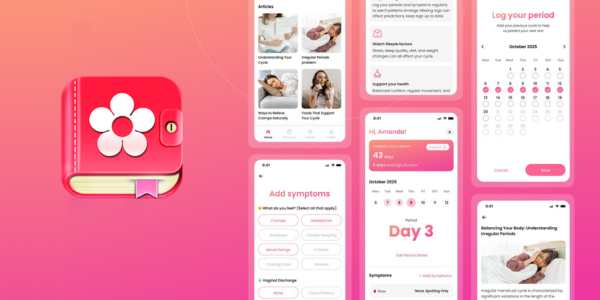
The Period Tracker Period Calendar organizes your cycle with period predictions, duration, and flow.
It also lets you record mood, energy, sleep, hydration, weight, and physical activity to better understand your routine.
You can get started without creating an account, while your data is stored on the device.
The app also offers PIN, Face ID, backup, and restore for added convenience and protection.
App Features every Woman should Know
This is where you realize the app is practically a small digital notebook.
The period tracker lets you record up to 58 symptoms and 67 mood states, as well as energy levels.
It also allows you to track flow, contraceptives, sleep, hydration, and physical activity.
For those who like to keep everything organized, the app also lets you export a health report with charts.
Another feature is the ability to create multiple accounts to track people such as a mother and daughter.
Cycle and Ovulation Prediction: How to Use these App Features
The app helps estimate periods, ovulation, and fertile windows based on the information you record.
To make better use of these features:
- Record the beginning and end of your period.
- Track your cycle length.
- Add information about basal body temperature and cervical mucus.
- Record ovulation and pregnancy tests, when applicable.
- Check the ovulation and fertile window predictions.
- Observe the daily estimate of the chance of conception.
This data can help you better understand your cycle, but the predictions are only estimates.
Therefore, use the app as a support tool and continue seeing a specialist.
How to Track PMS Symptoms with the App
PMS can arrive with the full package: cramps, mood changes, tiredness, and more.
For this reason, recording symptoms throughout the cycle can help you notice recurring patterns.
The app lets you track dozens of symptoms and mood states, as well as energy and other aspects of everyday life.
With the accumulated history, you can observe which symptoms appear more frequently during certain periods.
The app also offers symptom related predictions and tips, along with health tracking features.
Never Forget your Cycle! Turn on Alerts and Notifications
One of the advantages of having an app track your cycle is not having to rely only on your memory.
The period tracker can send reminders related to your period and fertile days.
It is also possible to set reminders for contraceptive methods, such as pills, rings, patches, injections, IUDs, and implants.
The app also lets you create reminders for medications, supplements, and other routines.
You can set details like the start date, interval, duration, and dose to keep each reminder organized.
This can be especially helpful for routines that need to be followed regularly, without relying only on memory.
That way, the classic “did I take it or did I just think I did?” can happen a little less often.
How to Integrate the Period Tracker App with Other Health Apps
If you already use other tracking tools, there is an interesting integration.
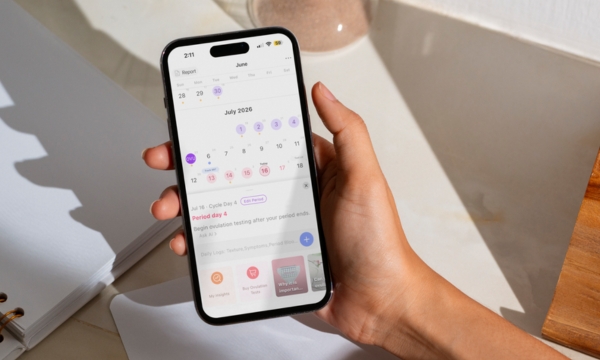
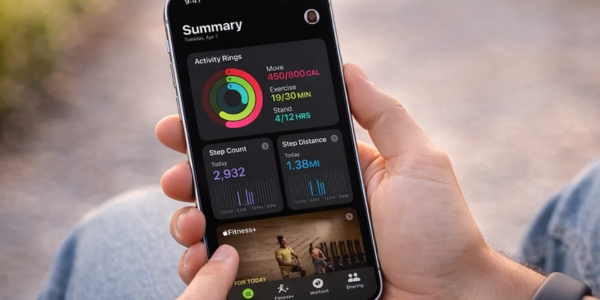
The app can sync data with Apple Health, allowing you to bring health information together within the same ecosystem.
This can be useful for tracking sleep, weight, physical activity, and other metrics through your phone or Apple Watch.
The app also allows you to back up and restore data between devices.
Another different feature is Partner Mode, which lets you share cycle information with your partner.
If you prefer to keep everything private, simply do not use this feature.
Advanced Tips to Get the Most Out of the Period Tracker App
If you really want to make the most of the app, the secret is to record information regularly.
The more consistent your history is, the more data you will have to observe your own patterns.
Some practices can help:
- Record the beginning and end of your period to keep your history updated.
- Note symptoms and mood changes throughout the cycle.
- Track flow and other important changes.
- Record sleep, energy, and hydration data to identify patterns.
- Use reminders for medications and contraceptives.
- Check the health charts and reports to track your progress.
What about Premium?
The app can be downloaded for free, but it offers in app purchases.
Among the options, there is the Monthly Membership for US$ 9.99 and annual options of US$ 9.99.
Premium includes cycle trends, fertility insights, symptom features, self-care, and pregnancy.
Period Tracker: Who is It Worth it For?
The app can be a good choice for those who like to track their cycle in detail and keep everything organized.
It may be interesting for people who:
- Want to track their cycle regularly.
- Like to record symptoms and mood changes.
- Are trying to get pregnant and want to track fertility and ovulation.
- Need reminders for contraceptives, medications, or other routines.
- Like to check history and charts to identify patterns.
On the other hand, those looking for only a simple menstrual calendar may find so many features unnecessary.
In the end, everything depends on how much you intend to track and the level of detail you are looking for in your daily life.
Is it Worth Using a Period Tracker?
The period tracker can be a practical tool for tracking your cycle in a more organized way.
The Period Tracker Period Calendar goes beyond dates, combining symptoms, mood, fertility, and reminders in one app.
The free version already offers plenty, while Premium adds features for more complete tracking.
Period, ovulation, and fertility predictions are estimates and don’t replace professional guidance.
In the end, recording your data can help you better understand your own patterns.